

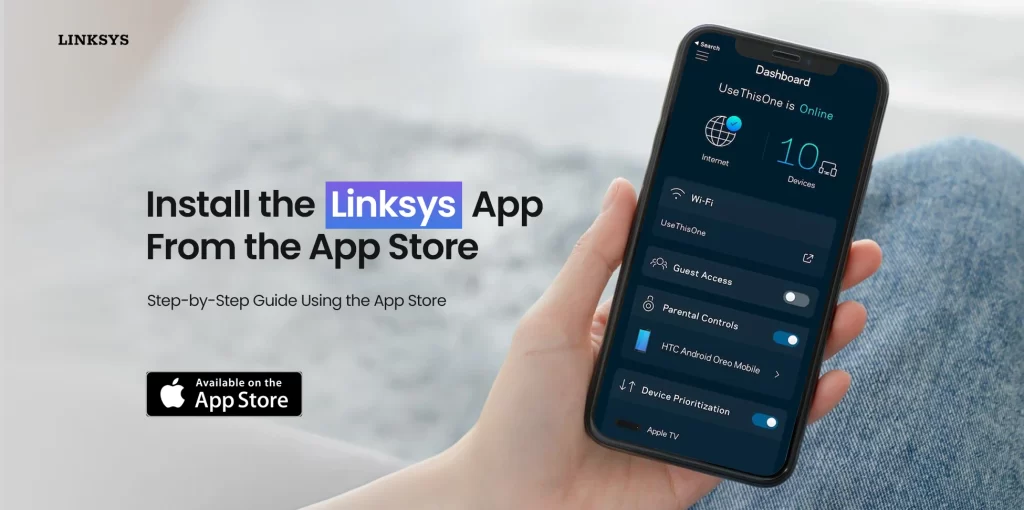
Installing the Linksys App via the App Store
Linksys reports that a majority of new home-network users now complete router installation through mobile apps, citing ease of use and reduced setup time compared to traditional web interfaces. Because of this shift, installing the Linksys app via the App Store and Google Play Store has become the primary method for configuring Linksys routers, connecting to Wi-Fi, and managing home networks across both Apple and Android devices.
Smartphone-based router setup has become the industry standard rather than an option. According to Statista, over 6.8 billion smartphones are in active use globally as of 2024, with iOS and Android accounting for more than 99% of the mobile operating system market share worldwide. As a result, networking brands have shifted their setup and management workflows almost entirely to mobile applications rather than desktop browsers.
Is Installing the Linksys app via the App Store Really Efficient?
Contemporary Linksys routers feature a mobile-first networking architecture. Rather than guiding users through browser-based configuration interfaces, the Linksys app now enables device discovery, networking, and cloud enrollment as an integrated process. This makes setup more reliable and consistent for customers across different networking environments.
From a technical standpoint, the app handles:
- Local network discovery over LAN
- Secure device pairing
- Wi-Fi credential provisioning
- Firmware status verification
Because of this design, installing the Linksys app via the App Store or Google Play Store becomes an advantageous step for most current Linksys router models.
Platform Compatibility: iOS and Android Explained
Linksys also supports the Apple and Android platforms. Given the dominance of the Android and iOS combination in the global smartphone market, the Linksys app is nearly the same on both platforms.
However, there are some small differences between platforms:
- iOS is much more dependent on local network permissions
- The Android platform requires users to approve additional permissions
- Bluetooth management has a slight variation across platforms.
Nonetheless, the setup experience remains consistent after users properly grant the required permissions.
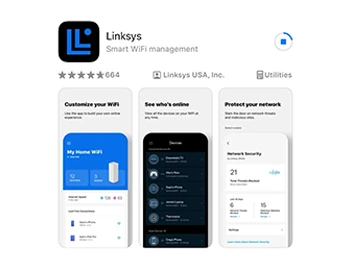
Installing the Linksys App via the App Store (For Apple Devices)
For iPhone and iPad users, setup begins through Apple’s App Store. This method ensures that the app version is verified, secure, and automatically updated.
The recommended process includes:
- Tap the App Store icon on your Apple device.
- Tap on Search.
- Enter “linksys” in the search box and tap on Search.
- Look for the Linksys app, tap on it, and click on the GET button or the download icon.
- Enter your valid Apple ID credentials if asked.
- Wait for the app to download completely.
- Once finished, tap Open to use the app.
Once installed, the app requests permission for location services and Bluetooth. These permissions are not optional. They enable local network discovery, which is critical during installing the linksys app via the app store connect to WiFi phase.
Without these permissions, the app cannot identify nearby Linksys routers.
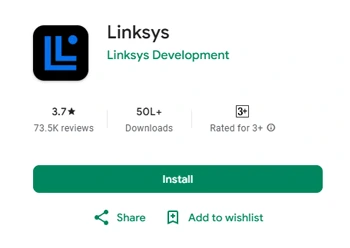
Installing the Linksys App via Google Play Store (For Android Devices)
Android users follow a parallel process through the Google Play Store. Nevertheless, follow these steps to download and install the official Linksys app.
- Select the Play Store icon on your Android device.
- Sign in to your active Gmail or Google Play Store account, then follow the on-screen instructions. If you are already signed in to your Google account, skip this step.
- Tap search, enter “Linksys” in the search field, and then tap the search icon.
- Select the Linksys app installer.
- Tap Install and wait for the download to complete.
After installation, Android devices may request additional access, such as nearby device scanning or background network usage.
These permissions allow the app to:
- Detect the router using Wi-Fi discovery
- Maintain a stable setup session
- Complete configuration without interruption
Once permissions are approved, Android users can proceed to download the linksys app for setup and begin router configuration.
Understanding the “Connect Not Working” Issue
Some users encounter installing the linksys app via the app store connect not working errors. Such a problem is usually not related to hardware but could be related to permission issues.
In case you are facing installing the linksys app via the app store connect not working, make sure that your device is not connected to the wrong WiFi network. In some instances, the problem might occur because the firmware on the router might not have completed the initialization during the installation process. Additionally, you need to ascertain that the permissions on the local network are not blocked. Lastly, the problem might still occur in case you have the VPN enabled on your gadget.
The problems can easily be fixed by rebooting the Wi-Fi router and opening the application.
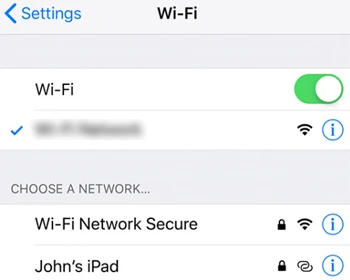
Connecting the App to Wi-Fi During Setup
Once installed, the app launches the process of provisioning. This process is traditionally known as installing the Linksys app from the app store with wifi connectivity, and this part of the installation process is most important.
At this point in the app:
- Scans for unconfigured Linksys routers
- Ask the user to connect to the router’s default wireless connections.
- Securely handles Wi-Fi connections
Security and Data Protection Considerations
The Linksys app adopts a security-first approach in its setup and day-to-day management. It employs encrypted communication channels, protecting Wi-Fi details and router login credentials as data shuttles between the phone and the router. On top of that, authenticated sessions limit access so that only approved devices can manage the network.
However, user habits still matter. For this reason, strong Wi-Fi passwords help block unwanted access. Similarly, keeping the app updated closes security gaps over time. Finally, avoid setting up the router on public networks, since unsecured connections can heighten risk. Put together, these steps make for stronger overall network security and stability.
Network Provisioning and Router Configuration
Once it successfully connects to the app, it configures a router by:
- Setting SSID and encryption settings
- Verifying WAN connectivity
- Register the device with the Linksys cloud
This is an automated process that replaces manual browser configuration and reduces the chances of misconfiguration.
This means fewer technical decisions from a consumer perspective, while standardized behavior during deployment from an enterprise perspective.
Post-Installation Network Management
After setup completes, the Linksys app transitions from installer to management console. Users can then:
- Monitor connected devices
- Adjust Wi-Fi security settings
- Enable guest networks
- Perform speed tests
This is why download the linksys app for setup remains relevant even after initial installation.

Reinstalling the App When Necessary
If setup fails repeatedly, reinstalling the app can clear cached data and restore normal operation.
The process involves:
- Uninstalling the app
- Restarting the device
- Reinstalling via the App Store or Play Store
Repeating Installing the Linksys app via the App Store or Google Play Store in a clean state often resolves persistent issues.
Final Thoughts
Installing the Linksys app via the App Store makes it easier for users to connect to their router. Moreover, as mobile phone usage increases, the Linksys app continues to provide a more interactive and user-friendly interface. Thus, the app provides a simple and effective method for router deployment.
By understanding how to download the linksys app for setup, correctly installing the linksys app via the app store connect to wifi, and resolving issues when installing the linksys app via the app store connect not working, users across both iOS and Android platforms can complete setup confidently.
Indeed, when installed and set up correctly, the Linksys app provides a robust, stable, secure, and user-friendly interface to modern home and small-office networks.